
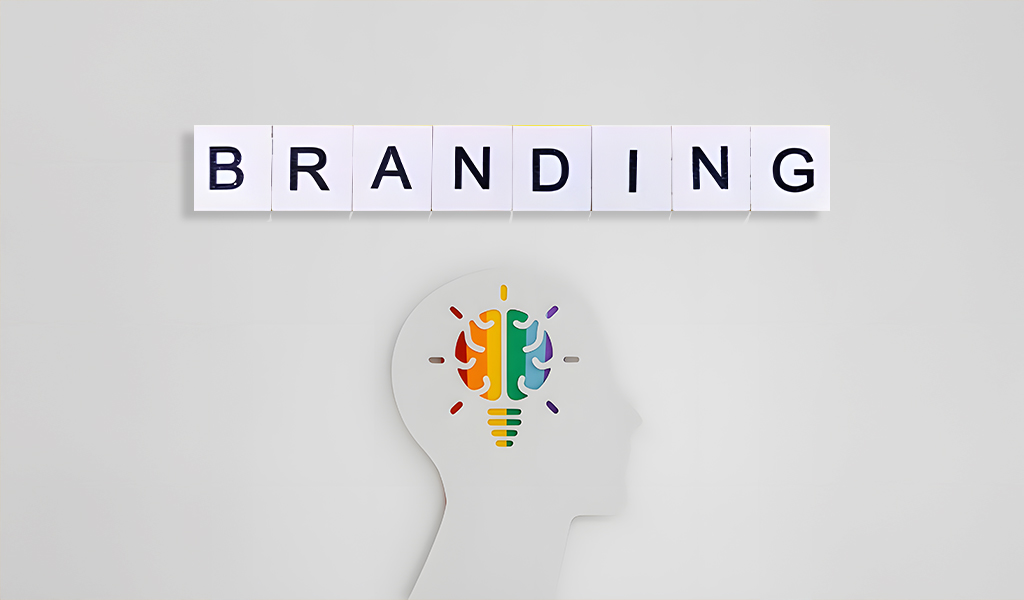
In a crowded digital world, brands are no longer just logos or colors. They are experiences, emotions, promises, and personalities that customers connect with. The strongest online brands understand a simple truth: people do not buy products first, they buy how those products make them feel. This is where psychology plays a powerful role.
A well crafted brand identity uses psychological triggers to shape perception, influence decisions, and build long term trust. When used correctly, it gives your business a competitive edge that is hard to copy.
What Brand Identity Really Means
Brand identity is the combination of elements that shape how people see your business. This includes visuals, messaging, tone, values, and the emotional experience you create for your audience.
Online, these elements become even more important because customers do not interact with you face to face. Every color, word, and design choice sends a message, forming an impression in seconds.
Why Psychology Drives Strong Branding
1. People Process Visuals Faster Than Words
The human brain processes visuals far faster than text. This means your color palette, typography, and logo instantly influence how someone feels about your brand. Bright colors may signal energy, while darker tones may represent trust and expertise.
A strong visual identity ensures your brand is recognized instantly, even in a busy feed.
2. Emotion Shapes Buying Action
Consumers rarely make decisions logically. Most actions are emotionally driven and later justified with logic. A brand that sparks the right emotion, whether trust, excitement, or security, increases the likelihood of engagement and conversions.
Your storytelling, tone of voice, and customer experience all contribute to these emotional triggers.
3. Consistency Builds Trust
When people see consistent messaging and visuals across platforms, the brain perceives the brand as reliable. Consistency activates recognition, which leads to trust, and trust leads to loyalty.
If your website, social media, and ads look disconnected, customers feel uncertain. Psychology shows that uncertainty reduces conversions.
4. People Connect With Personality
Brands with personality stand out. Whether your brand tone is friendly, bold, professional, or quirky, it must feel human. A strong personality makes your audience feel understood, and that creates a deeper connection.
Online audiences especially prefer brands that feel relatable rather than corporate.
5. Meaningful Values Create Stronger Tribes
People now choose brands that align with their beliefs or lifestyle. When your identity communicates your values clearly, you attract the right audience. Shared values are one of the strongest psychological bonds.
This is why purpose driven brands achieve higher engagement.
How Your Brand Identity Impacts Online Performance
Better First Impressions
A strong identity helps visitors understand who you are within seconds. This directly improves brand recall and reduces bounce rates.
Higher Engagement on Social Media
Posts from brands with a consistent visual style and clear message perform better. People engage more when content feels familiar and aligned with a personality.
Stronger Customer Loyalty
Psychology shows that emotional connections make customers return more often. A memorable identity helps your business stay top of mind.
Increased Conversions
From colors to wording, psychological elements influence what people click, trust, and eventually buy. A well designed brand identity guides users smoothly toward action.
How to Strengthen Your Online Brand Identity
- Define your brand personality and tone
- Choose colors and typography based on the emotions you want to create
- Keep messaging consistent across all platforms
- Focus on storytelling instead of selling
- Design visuals that reflect your values and audience
- Maintain a clear content theme and communication style
Conclusion
Brand identity is more than design. It is psychology in action. When you understand how people think, feel, and behave online, you can create a brand that captures attention, builds trust, and inspires loyalty.
Businesses that treat their brand identity as an emotional experience rather than a visual element see bigger growth in the digital world.