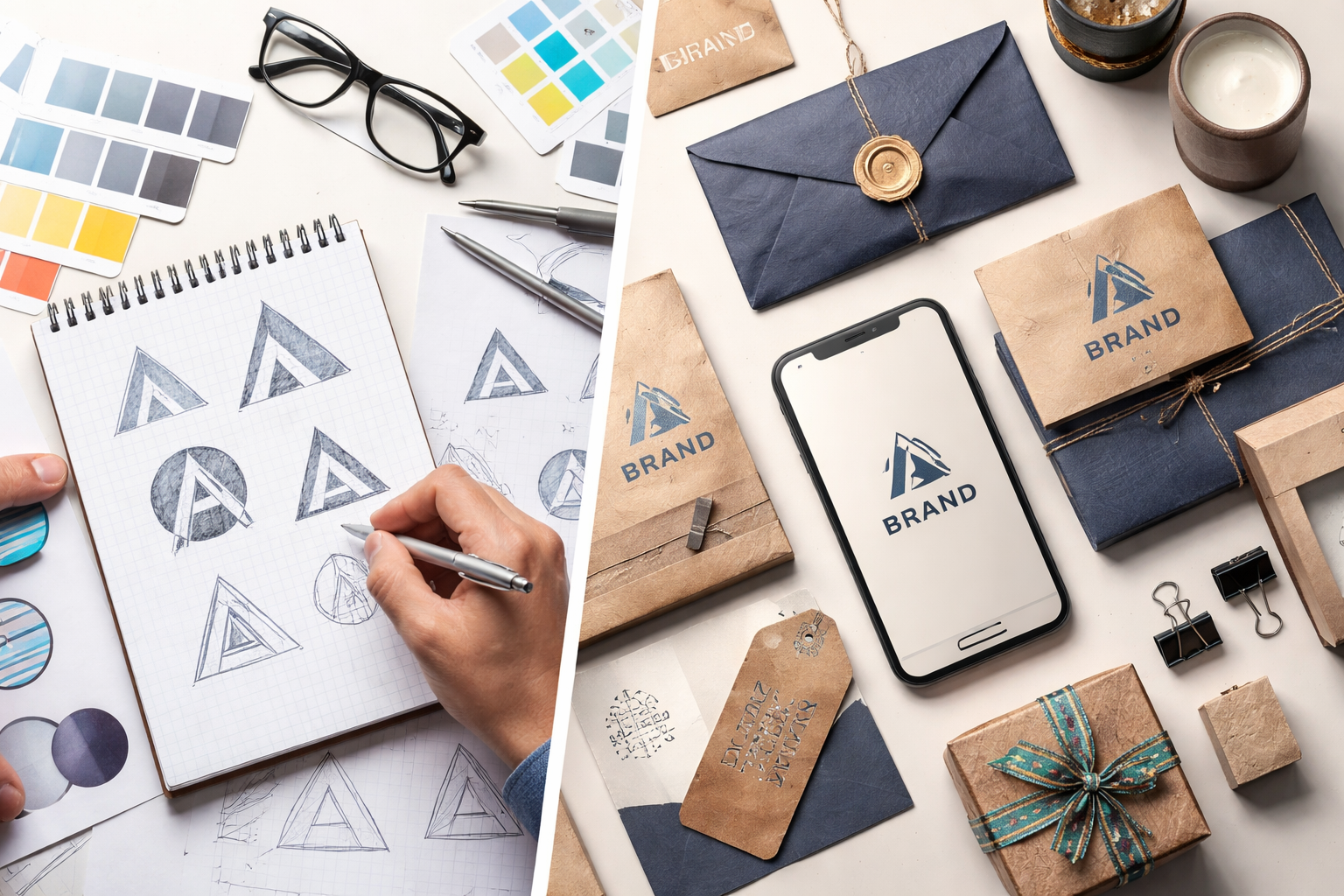
Many businesses invest heavily in designing a logo and believe they have built a brand. While a logo is an important visual asset, it is only a small part of what truly makes a brand. Confusing the two is one of the most common mistakes companies make, and it often leads to weak positioning, inconsistent marketing, and low customer trust.
A brand is not what your business looks like. A brand is what your business means to people. Understanding this difference is essential for companies that want to stand out, build loyalty, and create long term value.
Why So Many Businesses Confuse a Logo With a Brand
For many business owners, the logo is the most visible part of their identity. It appears on the website, social media, packaging, and advertisements. Because it is tangible and easy to recognize, it often becomes the focus of branding efforts.
However, customers do not build relationships with logos. They build relationships with experiences, perceptions, and emotions. When businesses treat branding as a design task rather than a strategic process, they miss the deeper elements that actually influence trust and buying decisions.
This is why two companies can have equally attractive logos but very different levels of credibility, loyalty, and market authority.
What a Logo Really Is
A logo is a visual identifier. Its primary job is to help people recognize your business and remember it. A good logo is simple, distinctive, and appropriate for your industry and audience.
However, a logo does not communicate your values, your customer experience, your positioning, or your promise. It cannot explain why someone should choose you over a competitor. On its own, a logo has limited power to influence long term perception.
Think of your logo as a doorway. It introduces people to your business, but it does not define what they experience once they walk inside.
What a Brand Truly Is
A brand is the complete perception people have of your business. It is shaped by every interaction someone has with you, including your website, your messaging, your customer service, your content, your social presence, your reputation, and the results you deliver.
Your brand lives in the minds of your audience. It represents what people expect from you, how they feel about your business, and whether they trust you. It is built over time through consistency, clarity, and real experiences.
A strong brand answers questions customers may never ask out loud. Are you credible. Are you reliable. Are you different. Are you worth paying attention to.
The Real Elements That Build a Brand
Your brand is created through multiple strategic and experiential elements working together. These include your positioning in the market, your brand voice, your values, your customer experience, and the story you tell about what you do and why you do it.
It also includes how clearly you communicate who you serve, what problems you solve, and what makes your approach different. When these elements are aligned, your brand becomes recognizable not just visually, but emotionally and strategically.
This alignment is what allows customers to describe your business in their own words and recommend you with confidence.
What Businesses Commonly Get Wrong
One of the biggest mistakes businesses make is focusing on visual identity before defining brand strategy. They design a logo, choose colors, and create a website without first clarifying positioning, audience, and differentiation.
Another common mistake is inconsistency. When tone, messaging, and experience change across platforms and touchpoints, trust erodes. Customers become unsure of what to expect, which weakens the brand even if the design looks polished.
Some businesses also try to copy competitors or follow design trends without anchoring their brand in a clear purpose and promise. This leads to generic branding that blends in rather than stands out.
Why Strong Branding Goes Far Beyond Design
Design supports branding, but it does not replace it. Strong branding makes marketing more effective, sales conversations easier, and customer relationships deeper.
When your brand is clear, prospects understand your value faster. They are more likely to trust your claims, engage with your content, and choose you even when alternatives are cheaper. Over time, strong branding reduces friction, shortens sales cycles, and increases customer lifetime value.
In contrast, weak branding forces businesses to rely more heavily on discounts, aggressive sales tactics, or constant paid advertising to compete.
How to Build a Real Brand Not Just a Visual Identity
Building a real brand starts with strategy. This means clearly defining your audience, understanding their problems, and positioning your business around a meaningful outcome you help them achieve.
It also means establishing a consistent voice, message, and experience across all channels. Every touchpoint should reinforce the same promise and personality. Over time, this consistency becomes a trust signal that separates you from competitors.
Only after this strategic foundation is in place should visual identity be finalized. At that point, design becomes a powerful amplifier of a brand that already has meaning and direction.
Final Thought
Your logo is what people see.
Your brand is what people believe.
Businesses that understand this difference stop treating branding as a design expense and start treating it as a long term growth investment. When strategy, experience, and communication work together, your brand becomes more than a symbol. It becomes a reason people choose you, trust you, and stay with you.